
From the Olympics to FA Football, women thrive within the sporting world despite setbacks due to funding, underrepresentation, discrimination and lack of opportunity.
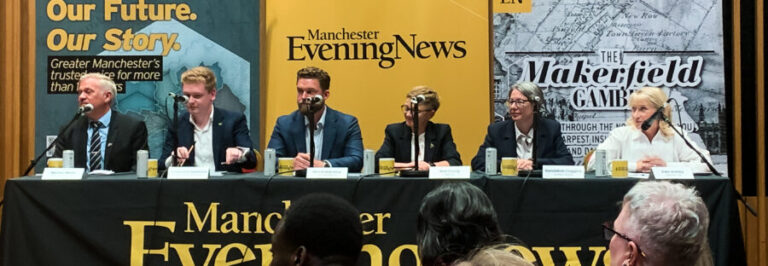
Manchester Metropolitan University heard from a panel of experienced sports experts on Monday (2 March) to celebrate International Women’s Day.
“Your body is on the line but it’s also your success,” said Olympian Abigail Irozuru on how sport changed her life and career.
International Women’s Day is around the corner and with a vast amount of ordinary, expert, and professional women achieving insurmountable positive differences for the workplace, society, and young girls. It’s key to acknowledge the foundations that built our society today.
To appreciate the short but swift success women have had through the years, experts shared their struggles at breaking into the sporting world as an athlete, a doctor, and a sports developer. As well as how the world has begun to shift to a more promising, equal future.
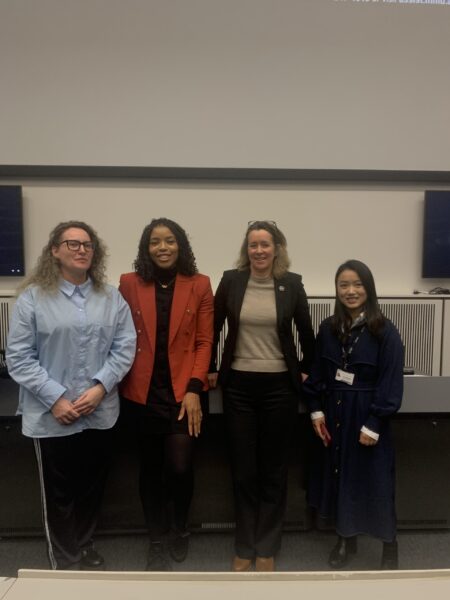
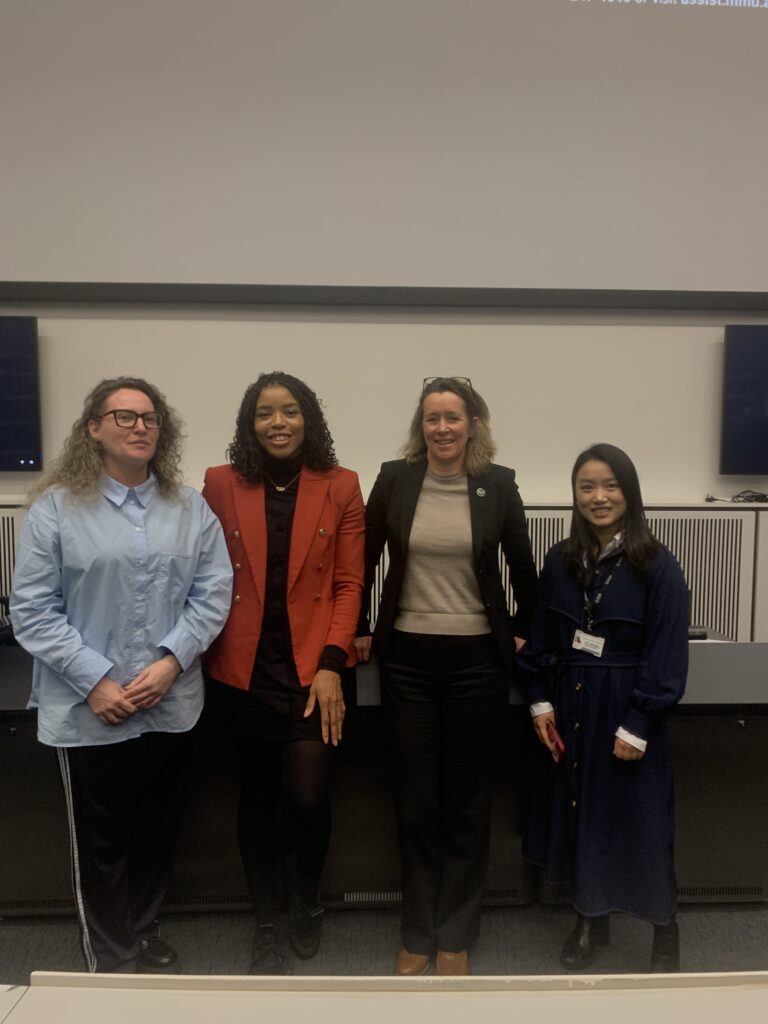
On the panel were Olympian long-jumper Abigail Irozuru, Doctor Qi Peng, deputy CEO of Women’s Football, Lisa Pool,and FA Coach Developer Claire Farnbank-Harrop.
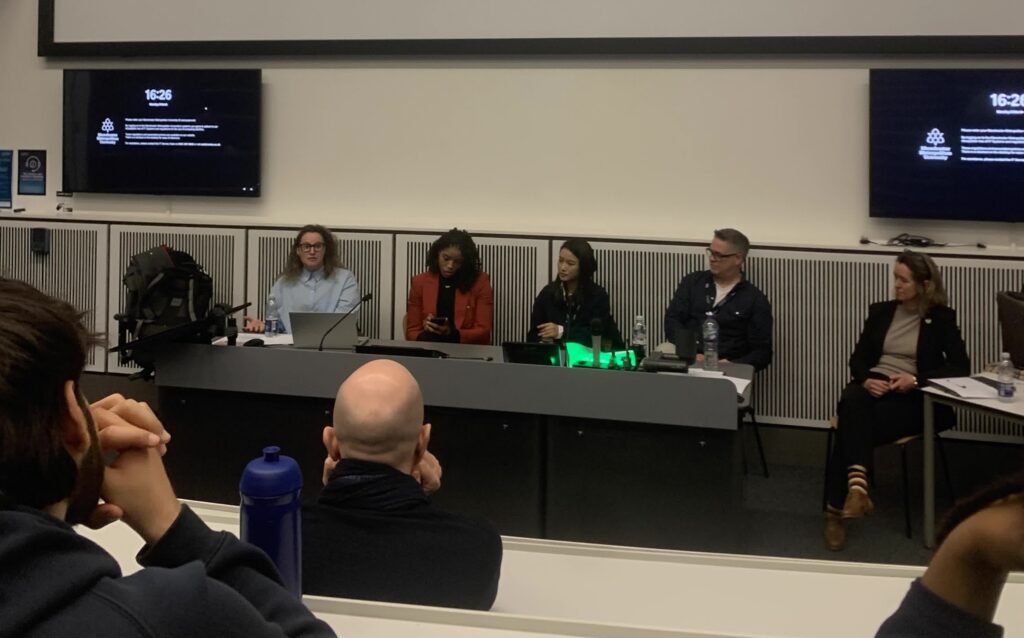
Abigail Irozuru – long-jump Olympian in the 2012 Olympics – touched on the gap between training, funding, and support: “A big issue would be the funding. For example, there’s a lack of research into ACL injuries, which are different because a female’s body is different. There’s going to be that thought cycle of ‘Oh, the women’s games aren’t as good.’
“Well, the game isn’t as good potentially because you’ve not taught the women in the same way. They’re not getting the benefit of having the same physiotherapy and coaching support. And that’s then starting in the UK. Maybe there’s great women in the UK and the USA, but what about across the rest of the world?
“We forget the fact that the history of women’s games is so new compared to the men’s games across the board. So of course, it’s not going to have the same quality or calibre.
“Controversially, in my opinion, I say this with an understanding that I don’t know who’s in the room,” -continued Abigail- ” I don’t want to be hurtful in any way shape or form, but the transgender conversation is one that is very difficult for us to have as athletes, as coaches, as stakeholders, commercial partners, global and national governing bodies.
“But it’s one that needs to be had, and it needs to be had with the right people in the room. It’s one where we have to consider safety as well for young women who are in events such as boxing, where we really have to look at the science.
“I think there’s been a bit of a drift towards protecting the female gender via the female sex. Yet, there needs to be a clear distinction because I would not want to get in a ring with a transgender woman who has been through puberty and is on puberty blockers or testosterone blockers.
“I’ve never been through that, and I do not have the muscular or the skeletal infrastructure. So I think for me the controversial statement and the way that we have gone backwards is by blurring the lines between sex and gender and what that looks like in school.”
Lisa Pool addressed the issues women face within sport, highlighting the small amount of representation women get via men, also needs to change: “The amount of times that I will go and sit on a panel that talk about women’s sport, or investment in women’s football, or investment into women’s sport, it’s a female panel talking to a female room.’