

A rare look at Turner, free at the Whitworth
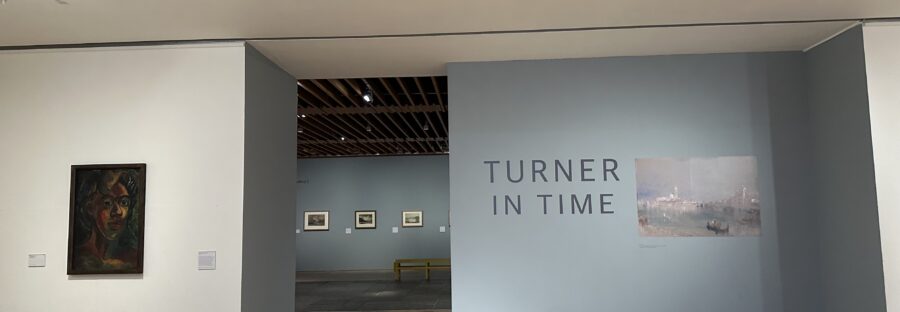
Whitworth art gallery has opened an exhibition called Turner in Time, celebrating the 250th anniversary of the celebration of JMW Turner’s birth.
The exhibition gives visitors the rare opportunity to see the workings of the British landscape artists, the Liber Studiorum, in its entirety for the first time in over 100 years.
Outside London, the Whitworth hosts the largest collection of Turner’s watercolors, and the Turner in Time collection allows visitors to trace his development and innovation across time.
Encouraging visitors to take the chance to visit, Imogen Holmes-Roe, curator of the exhibition, said: “I think people forget that we have this amazing resource on our doorstep that is free.”
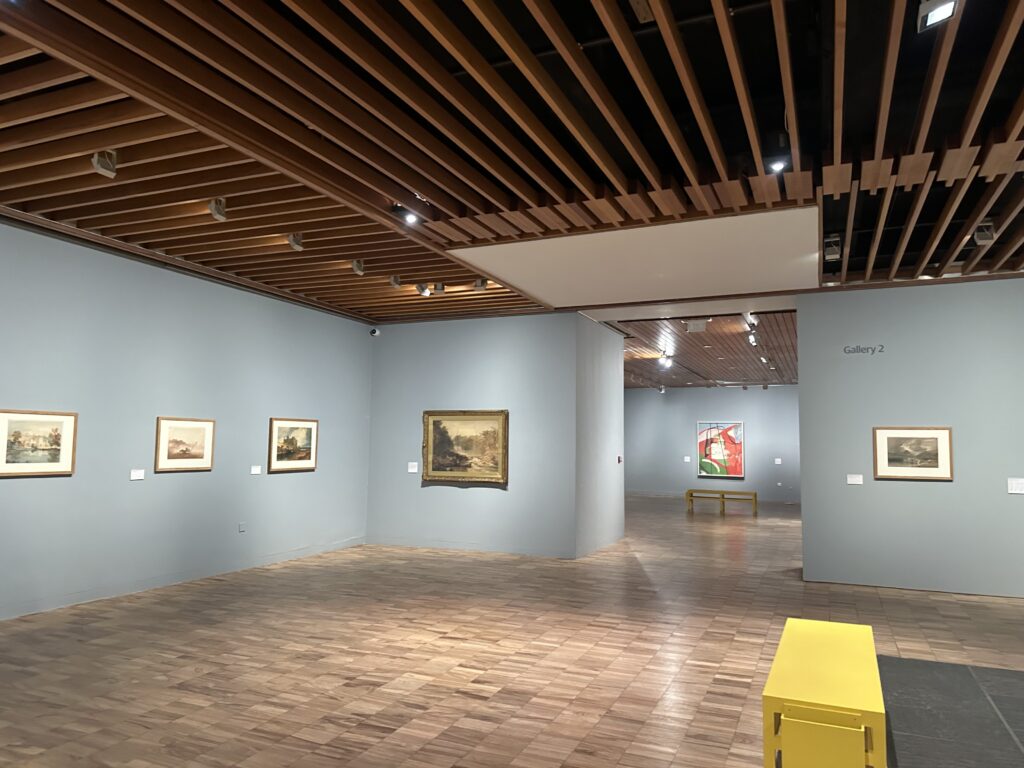
Walking around the exhibition visitors get the chance to take a turn through Turner’s life, Holmes-Roe said: “It is called ‘Turner in Time’ because visitors take a chronological walk through Turner’s development as an artist,
“From his late teens through to the final decades of his life.
“For most people that think of historic British and landscape art Turner is a name that comes to mind.”
The relevance for the Whitworth hosting this exhibition was clear all these years later.
“He represents somebody that mirrors what the Whitworth is about today”, Holmes-Roe said.
“Turner was one of the first artists that was acquired by the Whitworth, representing a significant donation that was made to the Whitworth’s early collection. It is one of the foundation stones of our historic art collection.
“He’s certainly an artist that our visitors come to The Whitworth asking to see.”
The importance and rarity that Turner in Time is offering visitors was highlighted by Holmes-Roe, she said: “The works we hold are susceptible to damage from light exposure. We can only show them for a very limited time before they have to rest.”
The exhibition shows visitors the development of Turner as an artist but also how his work at the time, was considered “revolutionary”.
Speaking about her experience of curating the exhibition, Holmes-Roe said: “It’s contagious, when you really scratch the surface, you discover, and I’ve certainly discovered lots of new things about him, in his approach to art and the way that he saw landscape.”
And why is his work still being spoke about now? Holmes-Roe said: “People come to Turner’s art with their own experiences, and they see different things to what was originally intended by the artist, but it opens up different meanings for people.”
This impact of Turner’s work to individuals can be noted as Holmes-Roe recalled the experience from a visitor of The Whitworth’s ‘Still Parents’ exhibition (the workings with parents who have suffered child loss/still births).
She said: “A visitor explained that she had seen this particular image of Turner’s a number of times that it had got to the point where she was almost not seeing anything.
“Then when she came to the Still Parents’ exhibition, she said it forced her to really look at it and to think about him, and the painting in an entirely new way.
“There’s a narrative to his world, people are often drawn into the kind of storytelling that comes with Turner’s art.
“That’s what his work continues to do even 250 years later.”
Holmes-Roe urged visitors to “take advantage” of the free admission the Whitworth offers. “The Whitworth prides itself on being forward thinking and this was achieved right from the get-go with Turner.
“The ethos of The Whitworth is to provide arts for all.”
The Turner in Time collection ends on 15 February.