


Major study launched to make advanced cancer treatments safer for patients
- A new study in Manchester, led by The Christie NHS Foundation Trust, aims to make advanced cancer treatments like CAR-T therapy safer and easier for patients by addressing severe side effects.
- The programme, called RISE, focuses on understanding why some patients experience serious side effects and how these can be predicted, reduced, or better managed.
- The goal is to improve patient safety, reduce complications, and enhance quality of life, with the hope that findings will benefit cancer patients across the UK and potentially internationally.
A major new cancer research study launched in Manchester is aiming to make some of the most advanced cancer treatments safer and easier to cope with for patients and their families.
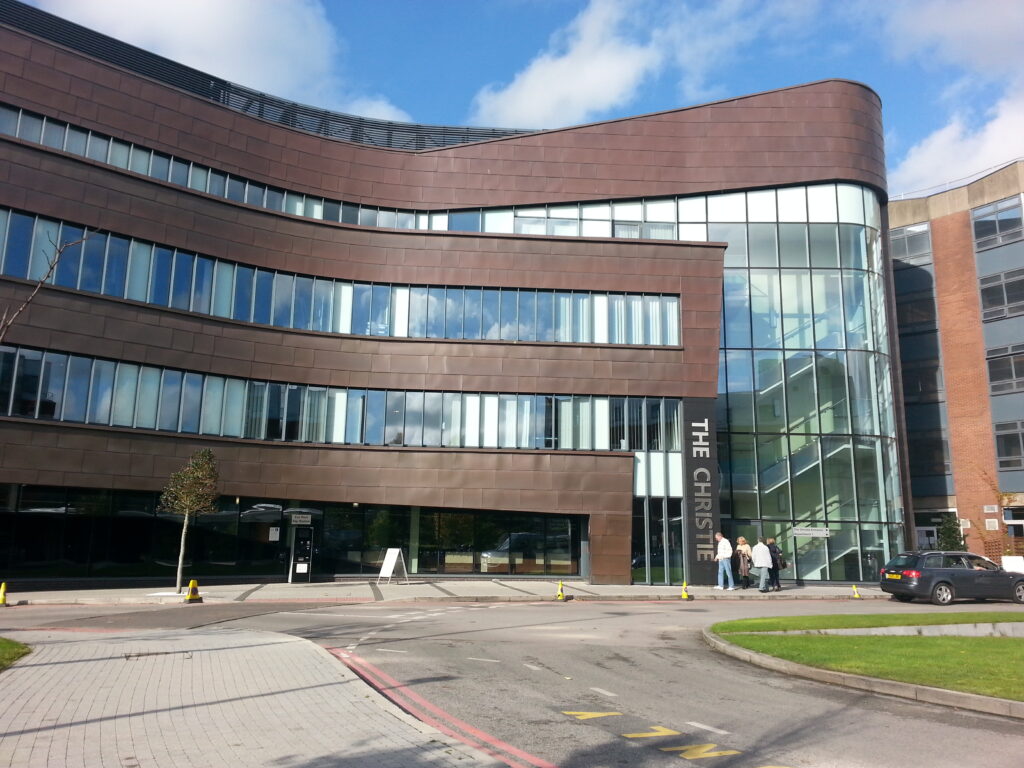
Led by The Christie NHS Foundation Trust, the study focuses on advanced immunotherapies such as CAR-T cell therapy and T-cell engagers. These treatments have given hope to people with advanced or hard-to-treat cancers, but for some patients they can cause severe side effects that can be frightening and life-changing.
The programme, called RISE (Research Into Safer and Effective Immunotherapies), brings together NHS staff from across Greater Manchester, researchers, patient representatives and industry partners. The aim is to better understand why some patients experience severe side effects and how these can be predicted, reduced or managed more effectively in the future.
Dr Jon Lim, Honorary Consultant Medical Onologist at The Christie and lead for RISE, said patient safety and quality of life are at the centre of the research.
“Advanced immunotherapies can be incredibly effective, but for some patients they trigger serious side effects that can be frightening and occasionally life-threatening, requiring intensive hospital care,” he said.
“Improving safety means patients can benefit from these treatments with potentially fewer complications, shorter hospital stays, and less strain on NHS services.”
‘I couldn’t speak or do anything for myself’
For Manchester patient Elkie Mellor, the research is especially important. Elkie underwent CAR-T therapy after being diagnosed with severe leukaemia. While the treatment ultimately saved her life, the side effects were extreme.

“My side effects ranged from fevers to severe neurotoxicity syndrome where I ended up in CCU for a week,” she said.
“I couldn’t remember who I was or any of my family and I couldn’t speak or do anything for myself. Slowly I got back to normal, but it was very scary, and for months after I had terrible memory and anxiety and still felt a bit disoriented.”
Despite the ordeal, Elkie describes the treatment as nothing short of a miracle. She had been given very low odds of survival because of how advanced her illness was.
“I was given very low odds of the CAR-T being successful due to the severity of my leukaemia, so it really was a miracle that it worked,” she said. “If I was able to do that without the side effects it would have been a lot easier on my body. Curing a bone marrow that’s 90 per cent leukaemia with no side effects would be just amazing.”
Improving quality of life for UK cancer patients
Dr Lim said the lessons learned from patients like Elkie will help shape safer care for others.
“By bringing together NHS clinical teams, academic researchers and patient representatives in Greater Manchester, we hope to generate evidence and tools that can be used nationally,” he said. “Our goal is to help make advanced cancer treatments safer, more predictable and more accessible for patients across the UK.”
Researchers hope the Manchester-led study will mean future patients can focus more on recovery and less on managing severe side effects, helping to improve both outcomes and quality of life for people facing cancer.