

Pioneering breakthrough offers new future for child with rare genetic disorder
A pioneering medical trial taking place in Manchester is giving hope to families affected by Hunter syndrome, a rare and life-limiting genetic disease.
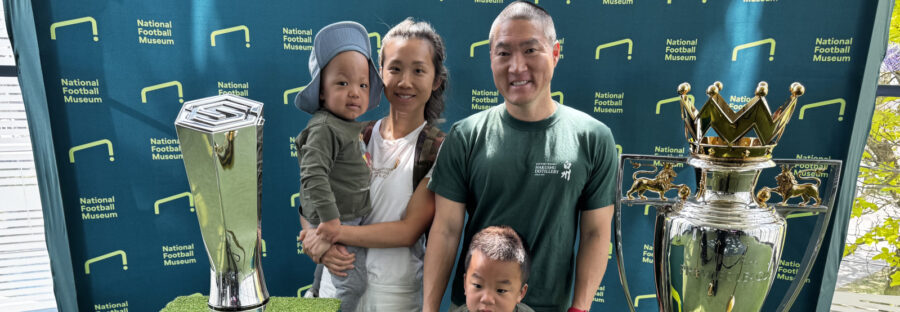
Three year old Oliver (Ollie) Chu has become the first child in the world to receive a cutting edge stem cell gene therapy developed by scientists at the University of Manchester – and his family say the transformation has left them optimistic for the first time.

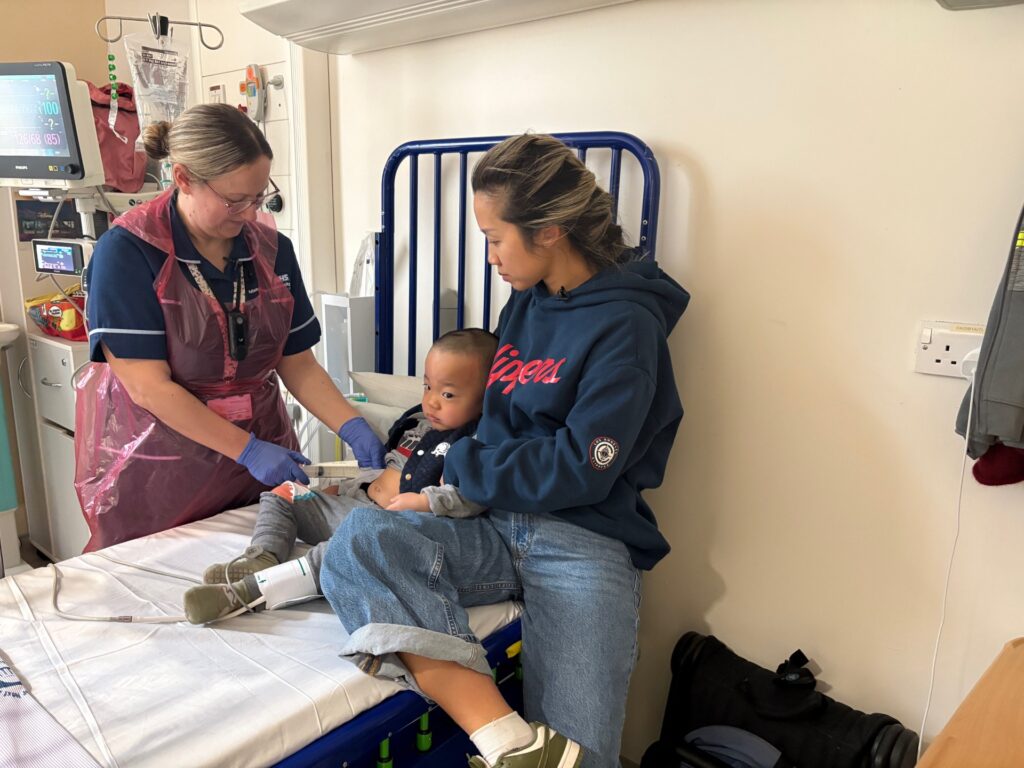
Ollie was treated in February at Royal Manchester. Children’s Hospital in a study delivered alongside the ManchesterCentre for Genomic Medicine at Saint Mary’s Hospital. The trial is funded jointly by the University of Manchester and NHS foundation trust.
The Manchester team is testing a one time gene therapy that could radically change the outlook for children with the condition. Doctors begin by collecting a child’s stem cells and inserting a healthy version of the faulty gene.
These modified cells are then returned to the patient, where they can produce, large amounts of the missing enzyme and potentially reach the brain- a crucial step that existing treatments cannot achieve.
Professor Rob Wynn, consultant paediatric haematologist and joint clinical lead for the study, described the treatment as a major shift.
“This approach is safer and more effective than traditional bone marrow transplants, and because we use the child’s own cells, there’s no need to find a donor. It also means we can create far more of the enzyme that these children desperately,” he said.
His colleague, professor Simon Jones, consultant in paediatric inherited metabolic disease, said the team was encouraged by Ollie’s early response: “Ollie hasn’t needed his weekly elapse infusions since receiving the therapy, yet we’re seeing extremely high enzyme levels in his blood. It’s one of the clearest signs so far that the treatment is doing what we hoped.”
Hunters Syndrome
Ollie is the first of five children taking part in the study, and his progress is being watched closely by medical teams across the UK and abroad. For his parents, the results so far offer something they once thought impossible, genuine hope.
They say their son’s recovery and continued improvement has given them a new outlook on life and they’re grateful the research is taking place on their doorstep may soon change the lives of many children worldwide.
Hunters syndrome is a rare inherited condition, that results in a person suffering with joint stiffness, hearing loss, breathing and heart problems, development delays and cognitive decline, resembling childhood dementia.
Hunter syndrome can be life threatening with life expectancy typically between 10 and 20 years.