
Thousands of shoppers across the country are refusing to buy from major supermarkets to fight rising food costs.
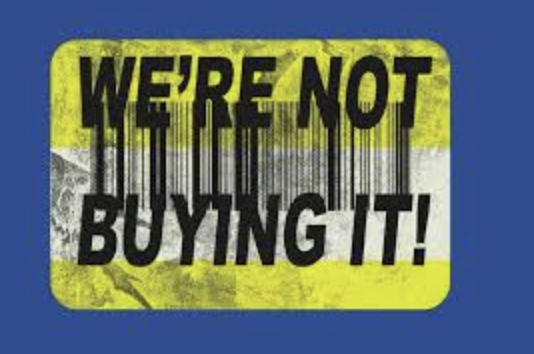
“We’re Not Buying It” is a grassroots campaign that launched this October across social media. This nationwide campaign rallied UK citizens to boycott all major food retailers on the 28th to encourage a price cap on essential food items.
The protest coincided with Andy Burnham’s first Budget announcement, described by The Big Issue UK as “no coincidence”.
Gov.uk launched a “Get Ready” campaign 48 hours before the planned protest. Though the intention was to encourage the general public to stock up on account of Storm Boelo, some consumers have speculated that the ulterior motive was to offset the profit loss on the 28th.
The cost of living is only rising higher and has worsened in recent years due to Brexit, with the process of overseas trade having become much longer and much more expensive. The UK is dependent on imports and trade for roughly 40% of our net food supply.
ONS data tracked by The Food Foundation tells us that the price of food has increased by over 30% since April 2022.
Hospitality Market Monitor research tells us that local businesses are being hit the hardest, with 1,839 closures across the UK between March and June. In Greater Manchester alone, there were more than 50 venue closures in 2025.
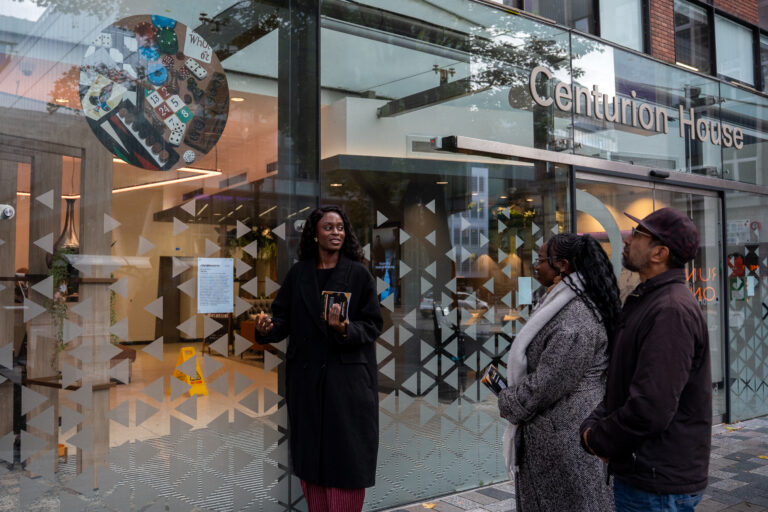
NQ journalists took to the streets of Piccadilly in order to investigate the local responses to the protest.
Despite the campaign’s ongoing plans to boycott Tesco from December 1st, with pledges on the site reaching nearly 40,000, not everyone was aware of this protest.
One shopper in Manchester, Daisy, told us her thoughts on the campaign’s impact: “This wasn’t big enough for an actual change to come about. It’s definitely important to send a message, but it really depends on how many people do it.”
Many consumers thought that planned protests needed to incite more emotion amongst the public, in fear that many were becoming complicit in current policies.
In particular, students shared concerns regarding the implications of balancing the cost of tuition with the perpetually rising cost of necessities.
Second-year Biochemistry Student Kiera said: “Prices are atrocious – we all know that, but for some reason we accept our fate. Even with student finance, you’re struggling to make ends meet.”
Consumer CJ told us that he would “cut VAT, tax the rich and relieve the pressure on smaller businesses” if in charge.
CJ also expressed his thoughts that the younger generation would be more moved to action through further social media campaigns and that the issue was inherently with how wealth is distributed.
The recent October Budget by Chancellor John Healey announced that import taxes on proclaimed “family favourites” would be removed on over 100 food products, as well as action to support the high streets.
However, the budget also announced a cut to welfare, implementing further assessments in order to qualify, projected to leave many more in food poverty.
We contacted Tesco, Asda and Sainsbury’s, who have declined to comment to NQ on the impact this boycott has had.